
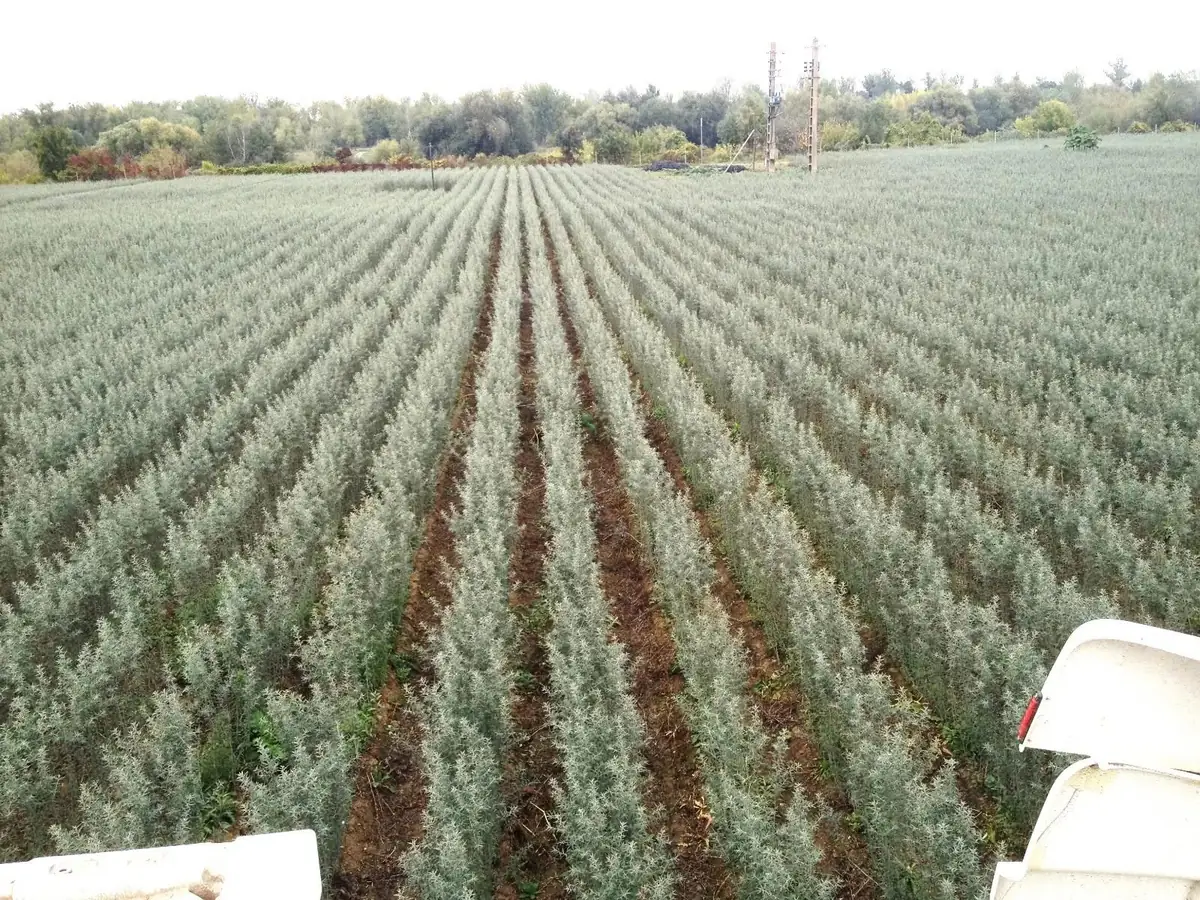
A 5,000-plant order is a project specification, not just a request for volume. Before committing, make sure you and the nursery mean the same thing by cultivar, grade, format, quantity and delivery window. Resolve those details alongside the orchard plan; a quotation, plant passport or height label does not replace the others.
Key takeaways
- Put cultivar mix, age, format, size and quantity in a written schedule.
- Ask how cultivar identity and batch traceability are maintained and documented.
- Agree how root condition, grading, packing, delivery and quality concerns will be handled.
- Confirm proposed supply terms and timing for your project; a minimum order does not reserve a batch.
- Check the orchard layout and male-pollinator allocation before finalising female-plant totals.
Use one specification sheet for every quotation
Give each supplier the same brief and ask for a written response against every item. Record any specification that remains open rather than comparing quotations as if nursery grades were interchangeable.
| Ask the nursery to specify | What to record |
|---|---|
| Cultivar and sex | Named females and separately listed male pollinators |
| Age and format | Year 1 or Year 2; bare root or potted |
| Size and grading | Height range in centimetres and any agreed stem-calibre measure |
| Roots or container | Root-condition specification; container designation and root-ball expectations |
| Quantity and uniformity | Numbers by cultivar and grade; how substitutions or shortfalls are agreed |
| Source and records | Propagation source, batch identification, labels and applicable plant-health documents |
| Delivery and packing | Proposed dispatch window, packaging, transport roles and arrival inspection |
| Quality procedure | Notification period, evidence and process for an agreed non-conformity |
Put the final schedule in the quotation or order confirmation. State what may not be substituted without written approval. Clarify whether the quantity means plants dispatched or accepted plants delivered, and how any agreed shortfall is recorded. Remedies depend on the written contract and applicable law; there is no universal nursery replacement procedure.
Verify identity, source and traceability
Ask how the cultivar name follows the plant from propagation through grading, packing and dispatch. Find out whether the supplier uses its own mother plantations or another identified source, and what batch records it can provide. For a mixed orchard, request separately labelled lots rather than one undifferentiated total.
Sea buckthorn has female plants and male pollinators. Orberry’s portfolio, for example, comprises Mara, Clara, Cora and Dora as female cultivars and Andros as its male pollinator. That portfolio fact does not determine the right number or placement of males for every field. List pollinators as a separate cultivar and quantity; then check their layout against orchard geometry and prevailing wind. Do not count male plants as fruit-producing females. Check estimated positions in the planting-density calculator before confirming the order.
Specify plants beyond age and height
Height alone does not describe plant quality. Ask how age is defined, how height is measured, what tolerance applies and whether stem calibre or another grading measure is specified for the batch. For bare-root plants, request the nursery’s root-condition standard and ask how roots are protected before dispatch. For potted plants, confirm the container designation and expected root-ball condition.
Oregon State University Extension’s guidance concerns forest seedlings, not sea buckthorn. It identifies fibrous roots, stem caliper and shoot-to-root balance as quality considerations, and recommends asking nurseries about their grading standards.1 Use this as a prompt, not as a sea-buckthorn threshold. Ask for the supplier’s written specification or representative batch photographs, and clarify how damaged or off-grade plants are identified before loading.
Orberry’s approved commercial product architecture separates cultivar, Year 1/Year 2 age, bare-root/potted format and size in centimetres. The stated professional minimum is 500 plants. Neither the minimum nor an enquiry reserves material for a particular project. Review professional planting material and request project-specific confirmation.
Confirm documents and delivery requirements
Ask which documents will accompany the plants and which apply to the destination and route. The European Commission explains that EU plant-health rules cover specified plants moved within the Union and that plant passports accompany regulated plants after required checks.2 A passport does not, by itself, verify your cultivar, grade or commercial quality terms. For cross-border movements, protected zones or supply from outside the EU, verify exact requirements for the plants and route with the responsible plant-health authority or qualified adviser.
Agree dispatch and arrival arrangements before planting week. Ask how bundles or containers are labelled, how plants are protected from drying or damage, who coordinates unloading and whom to contact if packaging is compromised. Confirm a proposed dispatch window tied to batch readiness and transport, not a guaranteed planting date across Europe. Coordinate the order with field preparation and labour. Penn State Extension’s guidance concerns fruit orchards in Pennsylvania, but it illustrates why nursery ordering belongs in advance orchard planning.3
What this means for a commercial orchard
Before accepting a proposal, reconcile quantities by cultivar and sex, age and format, size grade, and labelled delivery batch. Match them to plantable area, headlands, access and pollination layout. Do not infer a reservation until the nursery confirms it in writing.
Send a short project brief with destination, target season, area and layout, plant mix, specifications, approximate quantity and documentation needs. Include the intended harvest or processing system if it affects orchard design. Mark assumptions that are still open. Compare commercial orchard planning and guidance on plant age and format, then request Orberry availability for a project-specific response. A project-specific quotation is needed to confirm commercial terms.
References
Planning an orchard with these varieties? Adelin answers project questions directly.