
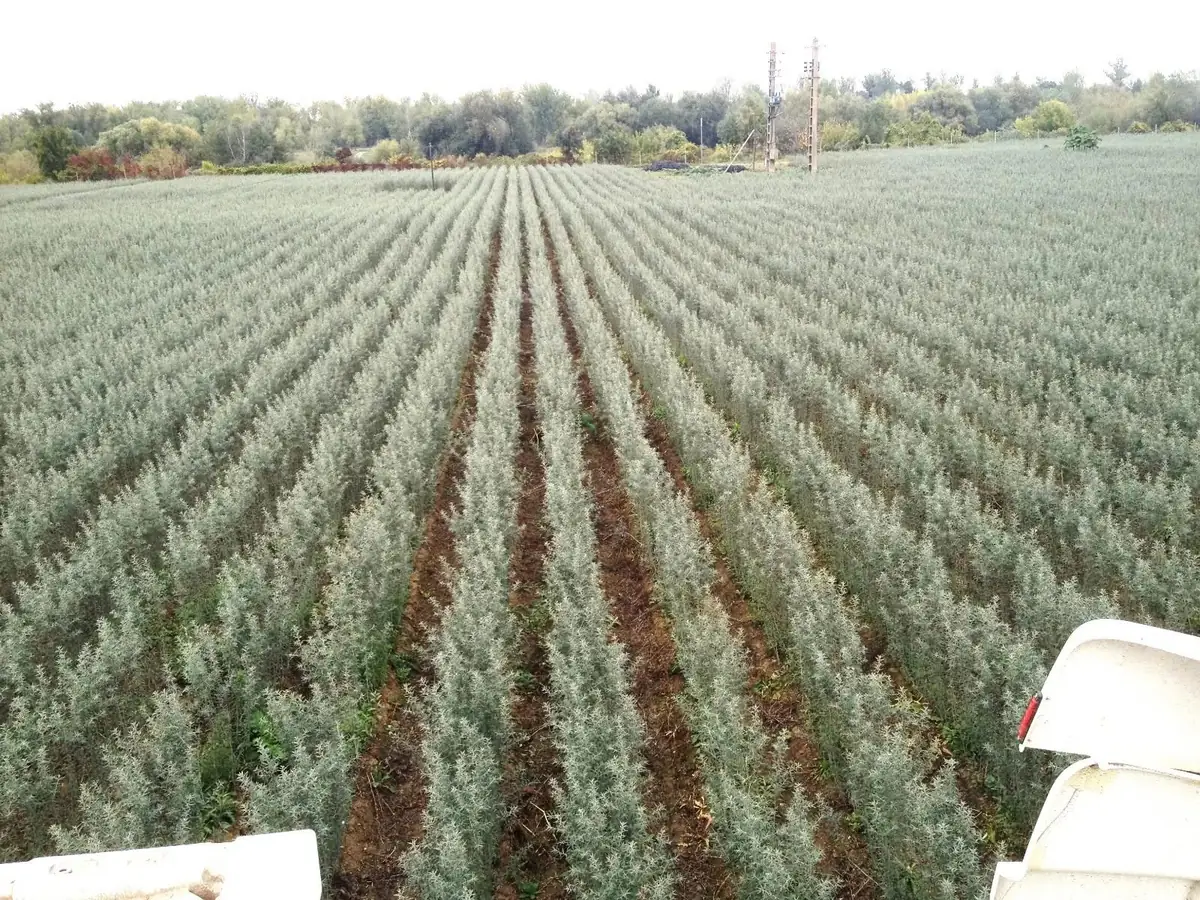
Bare-root sea buckthorn reaches the grower without soil around its roots, so packing and timing matter from dispatch to planting. Keep roots protected from drying and hold dormant stock cool without freezing, as the cited general bare-root guidance recommends.1 2 Plan delivery around a prepared planting site, protect the original root wrapping and treat temporary storage as a short bridge—not a substitute for planting. The guidance below draws on general woody-plant handling advice, not a sea-buckthorn-specific storage trial. Follow shipment instructions if they differ.
Key takeaways
- Arrange labour, field access, equipment and suitable soil conditions before arrival; plant as soon as practicable.
- Keep roots enclosed in supplied packing, moist but not waterlogged, shaded and cool. Avoid sun, wind, hot vehicles and freezing conditions.
- Inspect promptly, maintain cultivar and batch labels, and contact the nursery about damaged or dry plants before changing their condition.
- If delayed, use a cool, non-freezing place for a brief hold; ask the supplier for a shipment-specific limit. Longer delays may require heeling-in, where conditions allow.
Before dispatch: make the planting window real
Set delivery to match field readiness. Confirm planting positions are marked, ground is workable, water is available and a crew can unpack and distribute plants without exposing roots. For a large order, plan where each cultivar and batch will be received and how it will move to its block. Orberry's specification separates variety, plant age, format and size; preserve those distinctions on labels and records rather than sorting bundles by height alone.
Ask the supplier to confirm packing method, expected arrival, recommended temperature and any temporary-storage limit. Orberry's planting-material information describes commercial batches, traceability and applicable phytosanitary documentation, but not a detailed transport temperature, package configuration or maximum hold period. Obtain those operational details in writing. See professional planting material for attributes to confirm, and bare root vs potted sea buckthorn for format trade-offs.
Protect roots in transit and at unloading
Keep roots inside their protective packing during transport. The root wrapping should stay damp—not saturated—and bundles should be secured against crushing, abrasion and lost labels. Keep the load out of direct sun and away from avoidable heat, drying airflow and freezing. Extension guidance for bare-root woody plants likewise recommends moist roots during transport and storage and prompt planting.1 2
At arrival, move plants to shade and inspect representative bundles before distributing the order. Packing should be moist, not dripping or dry; roots should not be brittle or shrivelled. Note crushed, torn, overheated, frozen or dry packaging, photograph it and retain batch labels. If plants look compromised, contact the nursery promptly with batch details and follow its advice rather than soaking, pruning or repacking the whole delivery without agreement. Record arrival time, condition and actions taken for each labelled batch.
A practical hold-and-plant framework
| Situation | Practical response | Avoid |
|---|---|---|
| Planting crew is ready | Protect packages until each group can be planted; open only bundles being handled. | Bare roots left in sun or wind. |
| Brief unavoidable delay | Keep wrapped roots cool, shaded and non-freezing; check packing moisture and follow supplier instructions. | A warm greenhouse, vehicle, direct sunlight or exposed roots. |
| Delay extends beyond a brief hold | Call the supplier. Where conditions permit, consider heeling-in: cover roots with moist, well-drained soil in shade and keep cultivar labels separate. | Loose roots for days or roots left in standing water. |
| Field is frozen, saturated or unworkable | Keep plants protected and obtain shipment-specific advice while waiting for suitable conditions. | Planting unsuitable soil just to meet a delivery date. |
Guidance differs on short-term temperatures and durations for general landscape stock. Iowa State recommends prompt planting and, if delayed, a cool non-freezing location with damp packing; Purdue describes cool, shaded holding for about a week and heeling-in for longer delays.1 2 These are general woody-plant recommendations, not a validated sea buckthorn shelf-life. University of Georgia Extension also describes refrigeration or heeling-in and cautions against storing bare roots in a bucket of water.3 Treat these as principles, not a guarantee that a consignment will remain viable for a given number of days.
What this means for a commercial orchard
A common operational risk is mismatch between delivery scale and planting capacity. Estimate how many plants the crew can unpack and set correctly each day, then schedule delivery and staging accordingly. Keep cultivars and batches identifiable during loading, holding and movement to the field; escalate early if delay seems likely.
Before planting, check that roots remain moist and intact, positions are ready and plants can be carried to the row protected from drying. Open only what can be planted promptly. Follow the nursery's preparation instructions for root hydration or trimming; do not convert advice for other woody plants into a sea-buckthorn-specific soaking prescription. Use plan your orchard and the Year 1 vs Year 2 plant guide to align material specifications with field operations.
For a project enquiry, request shipment-specific handling guidance and confirm cultivar, age, format, size, batch identity, packing, dispatch window and instructions for delays through Orberry's planting-material enquiry.
References
Planning an orchard with these varieties? Adelin answers project questions directly.