
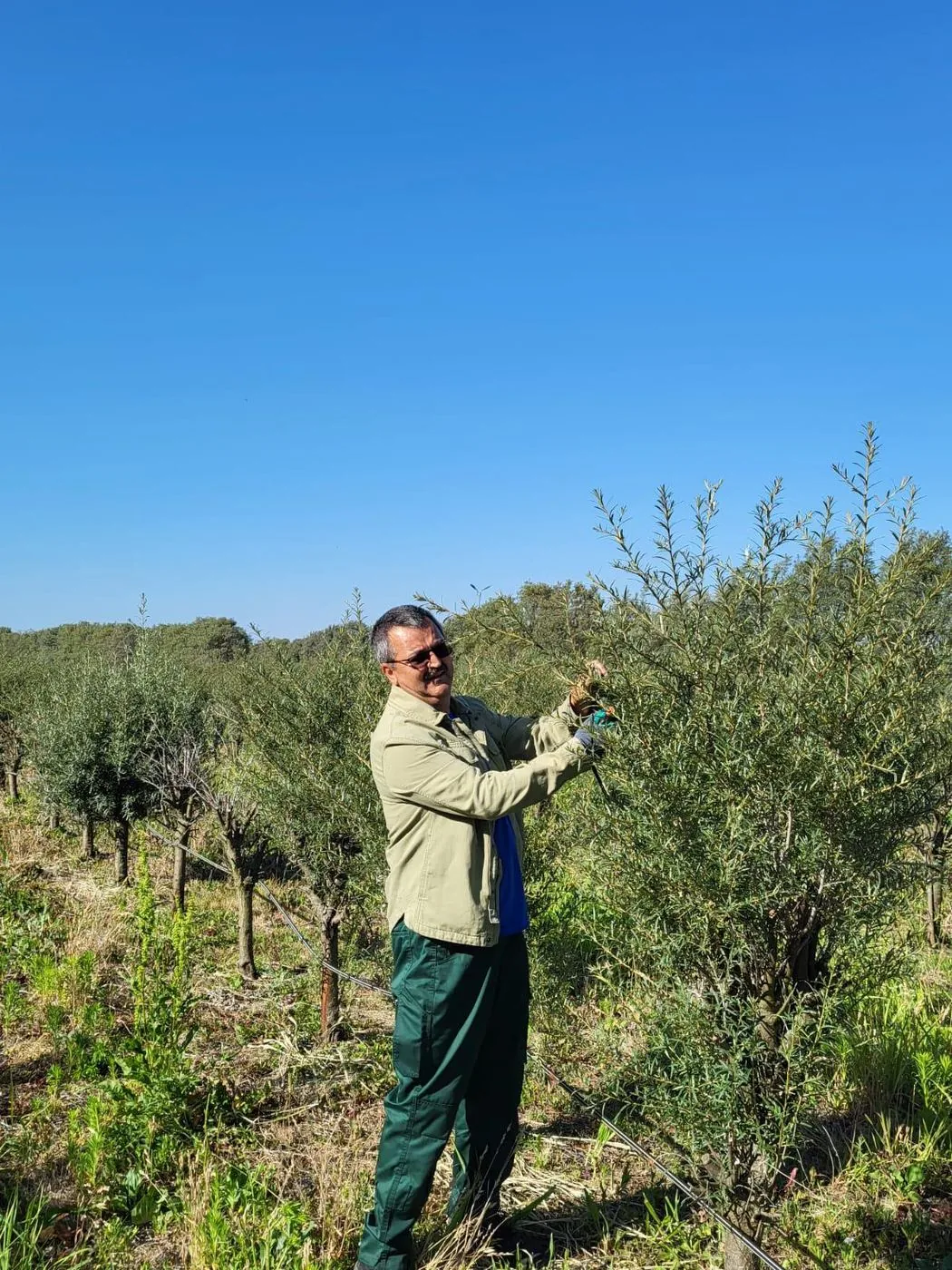
A commercial orchard is a long-term production system, not simply a count of shrubs. Cultivar, pollination, machinery, plant specification and field logistics all shape operations after planting. Resolve these questions before fixing the layout or order quantity.
Key takeaways
- Match cultivars to the buyer, processing route and harvest strategy.
- Design pollination into the field map; a percentage alone is not a layout.
- Check machinery and harvest needs before fixing spacing.
- Specify plant identity, age, format, size and batch documentation in writing.
- Plan access, water, delivery and planting logistics with the plants.
1. Choosing genetics before defining the commercial objective
Start with the fruit the project needs and how it will be harvested and sold. A cultivar suited to juice or puree may not fit oil-oriented processing, concentrates, colour-led blends or an early harvest window. Climate, site, vigour, scale, harvest method and buyer specifications all matter.
Orberry's female cultivars Mara, Clara, Cora and Dora have distinct reported profiles, alongside male pollinator Andros. Clara, for example, is positioned for oil-oriented and multipurpose processing; Dora has an early-season, colour-rich profile. These guide selection, not guarantee crop specifications: fruit composition varies with conditions and harvest stage. Compare Orberry varieties and cultivar profiles against the intended end use.
Avoid: choosing on a headline trait or research maximum alone. Confirm the buyer's specification and harvest window first.
2. Treating pollination as a percentage rather than a layout
Sea buckthorn is dioecious—male and female flowers grow on separate plants—and wind-pollinated.1 A male percentage does not show whether flowering overlaps or pollinators are well placed for the wind, rows and parcel shape.
Andros is Orberry's dedicated pollinator for Mara, Clara, Cora and Dora. Treat any ratio as a planning reference, not a universal prescription. Set male count and distribution with the field geometry, before fixing the female count. Include this in the orchard calculator.
3. Fixing spacing before checking machinery and harvest
Rows must accommodate mature canopies, workers and equipment turning and travelling through the block. Sea buckthorn harvest systems include branch removal; machinery and workflow therefore belong in the design stage.2 A high theoretical plant count is not useful if equipment cannot pass or fruit cannot be moved efficiently.
Calculate geometric density as 10,000 ÷ (row spacing in metres × in-row spacing in metres). At 3.5 m × 1.25 m, this gives 2,286 positions per hectare; for 5 ha, 11,429; for 10 ha, 22,857. These figures are before headlands. They describe geometry, not an order commitment: boundaries, access lanes, pollinator placement and other exclusions affect final quantities. Check the orchard calculator, then verify the field layout.
4. Buying plants without a written identity and batch specification
A cultivar name alone is not a purchase specification. Confirm variety and sex, plant age, bare-root or potted format, measured size range, batch identification, quantity and delivery period. Ask what documentation and traceability accompany the plants; height alone does not define quality.
EU plant passports support plant-health controls and safe trade, but do not replace checks that the delivered batch matches the commercial specification.3 Orberry describes its material as propagated from the certified mother plantation of the varieties with varietal identification, traceability and applicable phytosanitary documentation. Review professional planting material and record the agreed specification before delivery.
5. Planning plants but not the orchard's operating logistics
Map usable area, entrances, headlands, row ends, water access, turning points and the route from unloading to planting. Assign site preparation and planting responsibilities, confirm equipment needs, and plan protection and handling for bare-root or potted material. Match delivery with workable field conditions and crew capacity.
Orchard-extension guidance emphasizes advance assessment, layout and equipment access because major design choices are difficult to reverse.4 Gross parcel area is not planted area, and a calculator estimate does not commit either party to a quantity. Final numbers should follow a surveyed layout and agreed plant specification.
What this means for a commercial orchard
Join the decisions: market and cultivar → pollination map → harvest-compatible spacing → verified plants → field and delivery plan. For larger projects, review assumptions against commercial orchard planning before confirming quantities.
The next decision
Prepare a brief with parcel area and shape, proposed spacing, machinery and harvest approach, processing destination, planting season, and delivery or irrigation constraints. If cultivar choice is open, state the objective and ask for project-specific guidance rather than committing prematurely.
Plan your orchard with Orberry to review layout, pollination and planting requirements.
References
Planning an orchard with these varieties? Adelin answers project questions directly.