
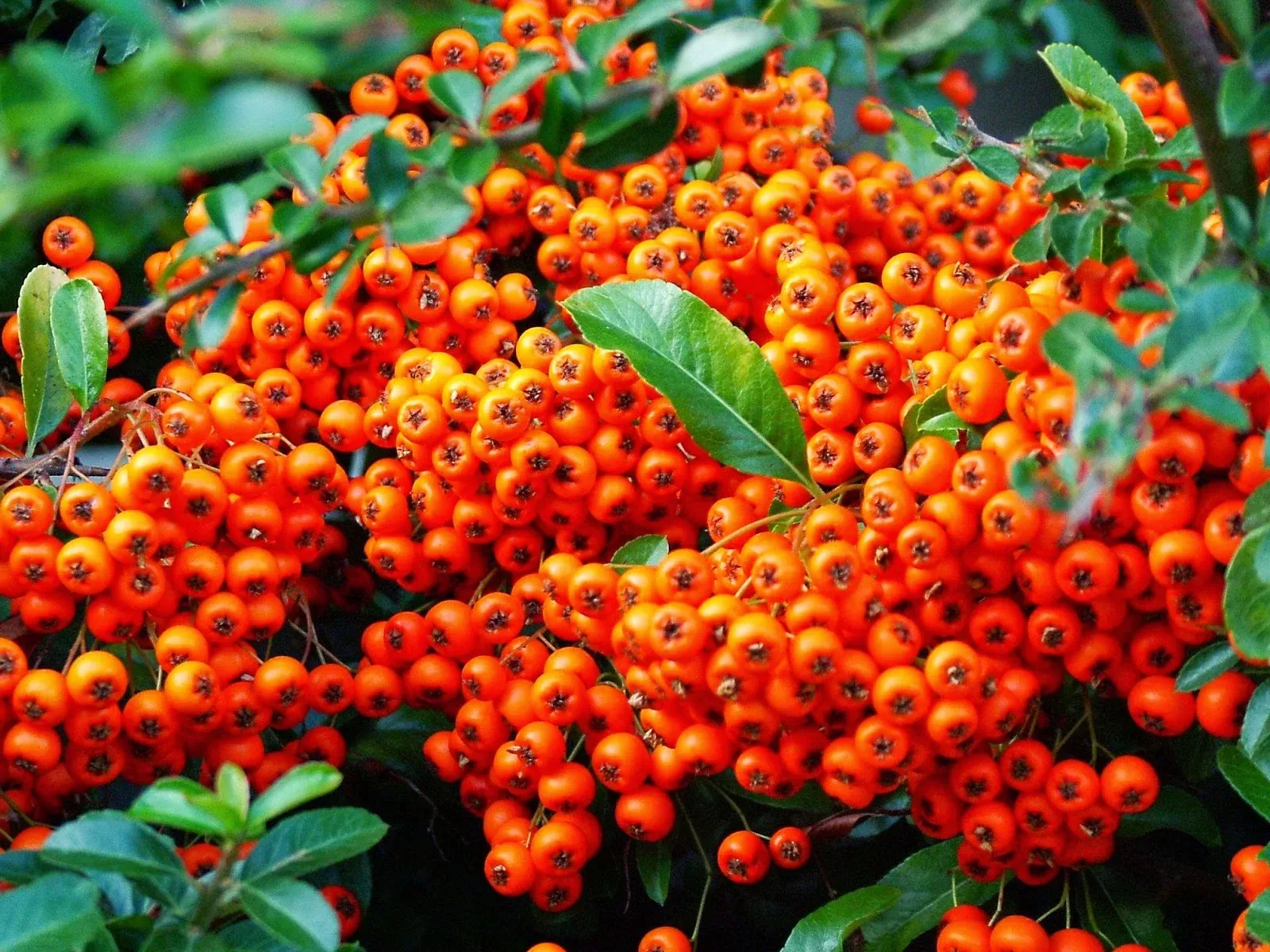
Yes—cultivar matters, but it is one part of a processing decision. Mara, Clara, Cora and Dora show different composition profiles in published studies and in Orberry’s cultivar descriptions. Those profiles can help growers shortlist fruit for juice, puree, oil-oriented processing or ingredient development. They do not guarantee a particular composition, extraction yield or finished-product specification. Start with the processor’s target, then check cultivar, harvest stage, sampling method and orchard plan together.
Key takeaways
- Mara is a candidate for vitamin-C-oriented juice, puree and functional-food processing; Clara has a lipid profile of interest for oil-oriented processing.
- Cora’s dry-matter profile and firm fruit are relevant to concentrates and industrial processing; Dora is notable for carotenoid potential and colour-rich blends.
- Published measurements are specific to the study site, season, maturity and analytical method. Treat them as evidence for screening, not as guaranteed crop specifications.
- Ask the buyer which analyses and product attributes matter before selecting a cultivar or combining fruit lots.
Match the cultivar profile to the product brief
A 2026 study followed Mara, Clara, Cora and Dora during ripening at a site in the Republic of Moldova. It reported cultivar differences in vitamin C, lipids, dry matter and carotenoids. Within that study’s samples, Mara reached about 518 mg vitamin C per 100 g fresh fruit, Clara reached 2.32% lipid, and Dora reached 40.73 mg total carotenoids per 100 g. Cora and Mara showed high dry matter, reported up to 35.61%. These are observed values from a particular research setting and sampling schedule—not minimums, averages for every orchard, or commercial delivery promises.1
An earlier study of the same four cultivars examined fruit harvested at full ripeness in Moldova and also found marked differences in composition. Its results reinforce that the cultivar comparison is useful, while the study’s region, harvest and sample preparation matter when interpreting numbers.2 For Orberry’s portfolio, the practical shortlist is: Mara for vitamin-C-oriented products and juice or puree; Clara for oil-oriented and multipurpose processing; Cora for concentrates, puree and industrial applications where dry matter and fruit firmness are relevant; and Dora for carotenoid-focused work, colour-rich juice blends and sensory differentiation.
| Processing objective | Cultivar to assess first | What to verify with the processor |
|---|---|---|
| Juice or puree | Mara; Clara for multipurpose use | Vitamin C, soluble solids, acidity, flavour and required harvest window |
| Oil-oriented processing | Clara | Whether the target concerns whole-fruit lipids, pulp/skin oil or seed oil; extraction method and actual recovery |
| Concentrates or industrial puree | Cora; Mara may also be relevant | Dry matter, texture, processing behaviour and the buyer’s acceptance criteria |
| Colour-rich blends or carotenoid-focused ingredients | Dora | Colour or carotenoid assay, maturity stage, blend role and lot consistency |
This is a screening framework, not a ranking of expected returns. Product definitions vary. In particular, a measured lipid percentage in fruit is not the same as recoverable oil yield. Sea buckthorn fruit flesh and seeds can provide distinct oil fractions, so the processor’s intended fraction and extraction process must be clear before comparing cultivars for oil production.3
Read composition data in context
A composition figure is meaningful only alongside the sample and method that produced it. Fresh-weight and dry-weight values are not interchangeable. Nor are results from early, full or late ripeness. The 2026 research tracked changes over multiple sampling dates; vitamin C generally declined during ripening in the studied cultivars, while carotenoids peaked around full maturity for most of them. A single peak value therefore does not describe every harvest date or year.1
The broader sea-buckthorn review likewise notes that maturity, location and sampling date affect measured fruit constituents. When comparing research, check which plant material was tested, how fruit was stored, whether values are on a fresh- or dry-weight basis, and whether the analysis covered whole berries, pulp or seeds.2 3 These distinctions are especially important when a buyer is sourcing a functional ingredient against a defined assay or product specification. Avoid translating a research result directly into a label claim or a health effect; confirm product requirements with the processor and relevant technical advisers.
What this means for a commercial orchard
Before committing to one cultivar or a mix, write a brief around the intended output. Record the product form, buyer’s measurable quality criteria, desired delivery period, lot-separation needs, harvest and handling system, and the analyses required for acceptance. Then compare cultivar profiles against that brief. Where composition will determine acceptance or value, ask the processor to agree a sampling and testing protocol and validate representative fruit from the intended site and maturity stage.
A mix may provide different processing profiles or relative harvest positions, but it also creates operational choices: block layout, separate harvesting, batch identity and processing capacity. A cultivar with an attractive laboratory profile is not automatically the best fit if its harvest timing or orchard management conflicts with the project. For a first shortlist, review the Orberry variety portfolio and compare the four female cultivars. Include site geometry and the male pollinator in the wider layout; the orchard calculator can support an initial planting scenario.
You do not need to settle the answer alone. Share the intended product, buyer specifications, location, project scale and preferred harvest period with Orberry to discuss which cultivar or mix merits closer evaluation. FIND THE RIGHT CULTIVAR
References
- Technological Potential and Changes in Bioactive Compounds During Ripening of Four Sea Buckthorn (Hippophae rhamnoides L.) Cultivars Grown in the Republic of Moldova
- A Study on the Fruiting and Correlation between the Chemical Indicators and Antimicrobial Properties of Hippophae rhamnoides L.
- The Systematics, Reproductive Biology, Biochemistry, and Breeding of Sea Buckthorn—A Review
Planning an orchard with these varieties? Adelin answers project questions directly.