
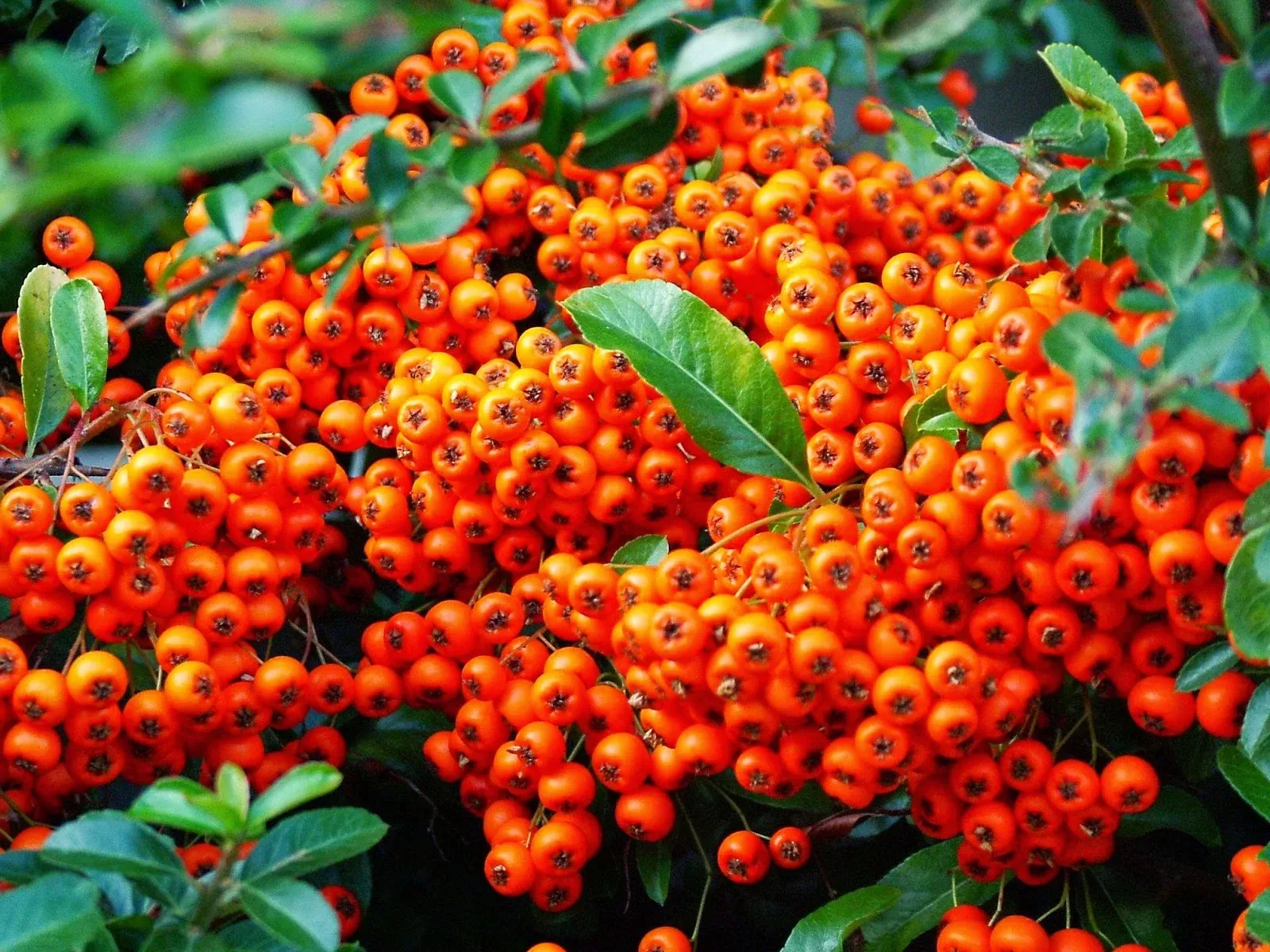
Choosing a sea buckthorn cultivar is a matter of fit, not finding one universally best option. Mara, Clara, Cora and Dora differ in vigour, relative harvest position and fruit profile. Match those traits to the product your processor wants and the harvest plan you can operate. Trial observations inform this decision; they are not crop specifications or performance guarantees.
Key takeaways
- Start with the processor’s requirements for composition, colour, texture and delivery window.
- Mara is a candidate for vitamin-C-oriented juice and puree; Clara has oil and multipurpose potential; Cora offers firm fruit for concentrates and industrial processing; Dora brings colour and carotenoid potential to early-season blends.
- Harvest positions are relative, not fixed calendar dates.
- All four are female cultivars. Include Andros, Orberry’s male pollinator, in the orchard layout.
Compare the four cultivars
This comparison combines Orberry’s approved cultivar descriptions with observations from published Moldova studies; treat the research traits as trial-specific, not future crop specifications.1 3
| Cultivar | Sex and vigour | Relative harvest position in Orberry’s portfolio | Fruit profile | Processing strengths | Distinguishing point |
|---|---|---|---|---|---|
| Mara | Female; high | Mid to late | Medium, dark-orange; juicy, sweet-sour | Vitamin-C-oriented products, juice, puree, concentrates | High vitamin C potential and strong soluble-solids profile in trials |
| Clara | Female; high | Early to mid | Elongated orange-yellow; relatively larger | Oil-oriented processing, juice, puree, multipurpose industrial use | Lipid/oil potential |
| Cora | Female; high; erect growth | Mid to late | Oval yellow-orange; firm, resistant skin | Concentrates, puree, industrial juice, frozen processing | Fruit firmness; shattering resistance reported in research |
| Dora | Female; medium to lower | Early | Medium, elliptical, dark orange-red; distinctive aroma reported | Colour-rich juice blends and carotenoid-focused processing | Early position and high carotenoid potential |
These are Orberry’s relative portfolio positions, not a harvest calendar or fixed ranking for every site. The published Moldova studies describe local phenology, which must be checked against the project’s climate and season.1 3 They can help schedule an early intake, later campaign or combination. See the Orberry variety portfolio and compare varieties to develop a shortlist.
What the research profiles mean for processing
A seven-week study of these four cultivars grown in Moldova followed fruit through ripening. Under that study’s conditions and sampling stages, Mara reached about 519 mg vitamin C per 100 g fresh fruit at one sampling stage, Clara reached 2.32% lipid at another, and Dora reached 40.73 mg carotenoids per 100 g at another stage. Cora and Mara were among the cultivars with high dry matter. These observations help explain the different processing profiles, but are not guaranteed commercial specifications; composition varies with ripening and growing conditions.1
A separate full-ripeness study at one Moldovan experimental plantation also found differences among Mara, Clara, Cora and Dora.3 For a commercial decision, translate research into the intended buyer’s requirements: product type, accepted analyses and limits, and handling method. Where composition determines value, validate representative fruit samples with the processor rather than assuming a trial result will recur.
Choose a harvest strategy, not only a cultivar
Dora’s early position may suit a project seeking earlier fruit intake. Mara and Cora offer later positions, while Clara falls earlier to mid-season in the Orberry comparison. A multi-cultivar plan may spread harvest and provide distinct processing profiles, but requires the capacity to manage blocks, maturity, collection and processing. Keep lots separate if a buyer needs cultivar-specific batches.
Mara, Clara and Cora are described as high-vigour; Dora is medium to lower. Review these traits alongside spacing, canopy management and machinery rather than assuming identical performance on every site. Sea buckthorn is dioecious—male and female flowers occur on separate plants—and wind-pollinated. Andros is the Orberry male pollinator for all four females; determine its quantity and placement from field geometry rather than applying a universal ratio.2
Check geometry before estimating plant quantities
At the 3.5 m row × 1.25 m in-row reference spacing, density is 10,000 ÷ (row spacing × in-row spacing): 10,000 ÷ (3.5 × 1.25) = 2,286 positions per hectare.
| Area at 3.5 m × 1.25 m | Approximate positions before headlands |
|---|---|
| 1 ha | 2,286 |
| 5 ha | 11,429 |
| 10 ha | 22,857 |
These are geometric estimates over gross area before headlands, not order quantities. Turning space, access, boundaries, unplantable areas, row orientation and Andros layout alter the plantable count. Use the orchard calculator for a first scenario, then confirm a field layout. Specify plants by variety, age, format and size; see professional planting material.
What this means for a commercial orchard
Prepare a short brief covering target product and buyer, required fruit properties, desired intake period, harvest and handling system, site and project scale. Rank the four profiles against it, then test whether one cultivar or a manageable mix best fits. Your next decision is to review that shortlist with orchard geometry and pollinator positions in view. You do not need to know the answer before contacting Orberry: ask which variety fits your project.
References
- Technological Potential and Changes in Bioactive Compounds During Ripening of Four Sea Buckthorn Cultivars Grown in the Republic of Moldova
- The Systematics, Reproductive Biology, Biochemistry, and Breeding of Sea Buckthorn—A Review
- A Study on the Fruiting and Correlation between the Chemical Indicators and Antimicrobial Properties of Hippophae rhamnoides L.
Planning an orchard with these varieties? Adelin answers project questions directly.