
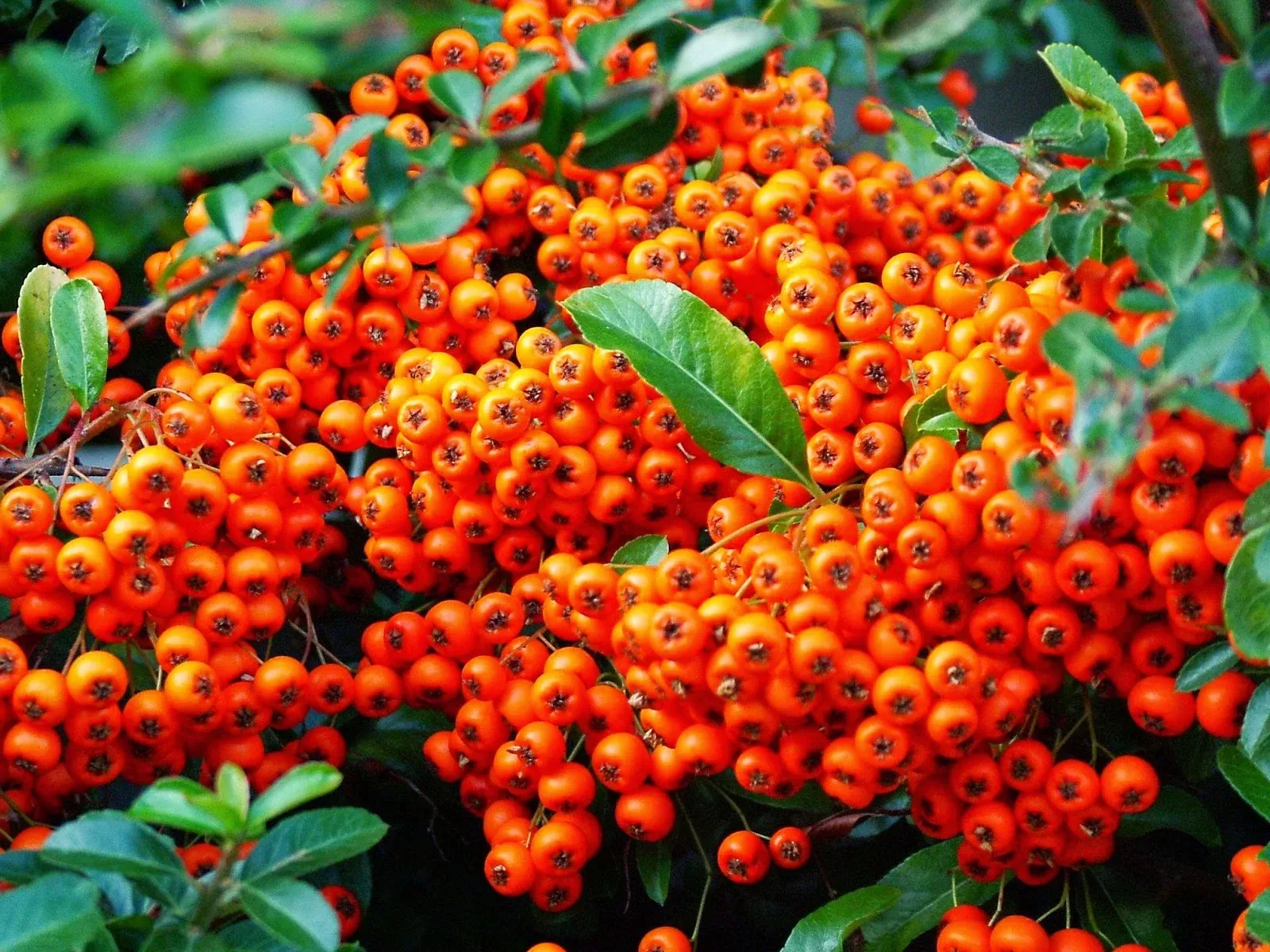
Choosing a sea buckthorn cultivar is a commercial design decision. Fit depends on your site, harvest system and fruit destination. A cultivar trait matters when it supports how the crop will be harvested, processed and sold.
Orberry’s portfolio includes female cultivars Mara, Clara, Cora and Dora, plus male pollinator Andros. Each has a distinct profile, but no single trait is best for every project. Start with your objectives; you need not arrive with a cultivar chosen.
Key takeaways
- Start with product and processor requirements, then shortlist by fruit profile and relative harvest timing.
- Weigh vigour and fruit traits against machinery, labour and orchard layout.
- Treat harvest timing and composition as context-specific; site, season and ripeness affect results.
- Plan Andros with the females. Sea buckthorn is dioecious and wind-pollinated.1
Start with the market and processing objective
Define what the buyer or processor needs first. Is the priority juice, puree, concentrates, oil-oriented processing, frozen fruit or a colour-rich blend? Confirm which fruit attributes and harvest period matter to the actual specification. A shortlist is not a performance guarantee; test the harvested fruit against buyer requirements.
Orberry’s profiles are starting points. Mara is vigorous, with vitamin-C-oriented and versatile processing interest. Clara is vigorous, has elongated orange-yellow fruit and is relevant to oil-oriented and multipurpose processing. Cora is vigorous and erect, with firm fruit for consideration in concentrates, puree and industrial processing. Dora has medium-to-lower vigour, dark orange-red fruit and a distinctive profile for colour-rich juice blends and carotenoid-focused applications. These are selection cues, not guaranteed specifications.
| Project priority | Shortlist | Check before committing |
|---|---|---|
| Vitamin-C-oriented juice or puree | Mara | Buyer specification, harvest testing and later relative harvest position |
| Oil-oriented or multipurpose processing | Clara | Extraction needs and processor composition criteria |
| Firm fruit, concentrates or industrial processing | Cora | Harvest method, handling and processor acceptance |
| Colour-rich blends or carotenoid-focused products | Dora | Target colour, composition and early-season logistics |
Check climate, location and orchard scale
Do not select on species reputation alone. Sea buckthorn grows in varied environments, and review literature documents differences in adaptation among genetic backgrounds.1 Assess local winters and summers, exposure, drainage, water and growing-season timing against evidence for the cultivar and orchard system. Full sun and free drainage are sensible site considerations, but general tolerance does not establish performance of a specific cultivar at your location.1
Scale matters too. One female cultivar may simplify harvest and processing on a smaller block. A larger project may use multiple females to spread operations or supply different products. This adds flexibility, but also separate harvest decisions and fruit lots. Confirm processors can use those lots before adding complexity.
Compare harvest window, vigour and fruit handling
Orberry describes Dora as early, Clara as early-to-mid, and Mara and Cora as mid-to-late in relative harvest position. These are not fixed calendar dates. In a Moldova study of the four cultivars, measured compounds changed as fruit ripened; trial results are not specifications for every orchard or season.2
Vigour affects the physical plan. Mara, Clara and Cora are described as high-vigour cultivars; Dora is medium to low. Consider fit with row access, canopy management, labour and harvest system. Cora’s firmness or Clara’s elongated berries may matter in handling, but do not guarantee harvest efficiency. Review the Orberry variety comparison before planning blocks.
Include Andros in the decision
Andros is the male pollinator used with Mara, Clara, Cora and Dora. Since sea buckthorn is wind-pollinated, placement belongs in the orchard plan alongside field geometry, prevailing wind, row arrangement and machinery access.1 No single ratio is universal. Ask Orberry to review the final configuration for your site and female-cultivar mix.
What this means for a commercial orchard
Write down the processing destination, buyer requirements, location and harvest approach. Compare a focused shortlist against these needs. If using several females, confirm separate harvests and fruit lots are practical. Plan Andros and access routes with the female blocks.
A density estimate frames scale, but is not an order quantity. At reference spacing of 3.5 m between rows and 1.25 m between plants, 10,000 ÷ (row spacing in metres × in-row spacing in metres) gives 2,286 positions/ha, 11,429 at 5 ha and 22,857 at 10 ha, rounded to whole positions. Counts are before headlands and other unplantable areas. They describe area geometry, not quantity commitments; parcel shape, access and Andros layout affect the final plan. Use the orchard calculator for an estimate, then check the field layout.
Make the next decision
You do not need to know the answer before contacting Orberry. Share your location, project area, processing route, harvest method and planting season. Add buyer criteria and preferred plant age or format if known. Orberry can discuss cultivar fit, Andros design and planting-material specifications. See professional planting material and request a project-specific recommendation and quote. The nursery team can confirm the material specification and commercial terms for your project.
References
- The Systematics, Reproductive Biology, Biochemistry, and Breeding of Sea Buckthorn—A Review
- Technological Potential and Changes in Bioactive Compounds During Ripening of Four Sea Buckthorn Cultivars Grown in the Republic of Moldova
- A Study on the Fruiting and Correlation between the Chemical Indicators and Antimicrobial Properties of Hippophae rhamnoides L.
Planning an orchard with these varieties? Adelin answers project questions directly.