
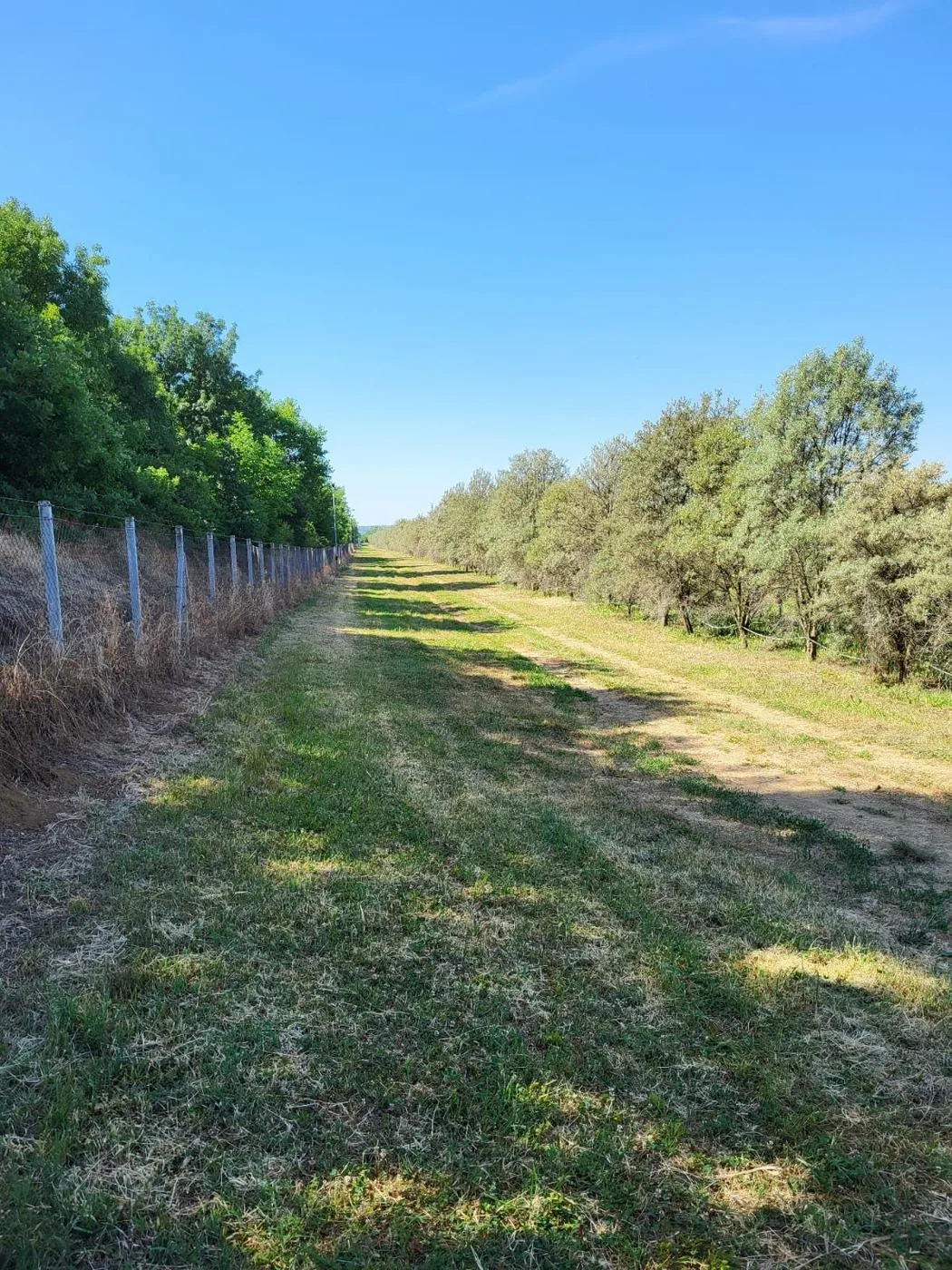
Organic and conventional sea buckthorn orchards share the same need for good site preparation, establishment and a harvest plan. The difference is the production system, the inputs allowed, the records required and the route to market. Decide which system fits your buyers before planting, because conversion, weed-control equipment and documentation are easier to plan than to retrofit.
Key takeaways
- Organic certification applies to the production system and its records, not simply to a cultivar or a claim that no spray was used.
- Organic production relies more on prevention, mechanical or cultural weed control, soil-based fertility and a restricted list of permitted plant-protection inputs. Conventional production has a broader input toolbox, still subject to applicable law and product labels.
- Sea buckthorn-specific comparative trials of organic and conventional orchard systems were not identified in the sources reviewed here. Practical examples below come from other perennial fruit crops and must be adapted locally.
- Confirm the conversion timetable, planting-material requirements and buyer specification with your control body and intended processor before committing land or plants.
The system changes the management choices
EU organic rules require production in living soil and limit fertilisers and plant-protection products to those allowed under organic legislation. A perennial crop such as sea buckthorn generally needs at least a three-year conversion period before its first harvest can be marketed as organic. Operators must notify their activity and enter the applicable control and certification system; confirm the parcel status and documentation with the responsible body.1 The European Commission notes that requirements also cover plant reproductive material, so ask how the rules apply to the proposed planting material and whether any derogation is relevant before ordering.2
Conventional production is not an input-free or input-unlimited alternative. Products must still be authorised and used in line with regulations and labels. What changes is the decision space: conventional growers may have more fertiliser and weed-control options, while organic growers build the programme around preventive and permitted measures. Neither label by itself predicts yield, labour demand or fruit quality.
A practical comparison for orchard planning
| Decision area | Organic system | Conventional system | Plan before planting |
|---|---|---|---|
| Establishment and weeds | Use timely cultivation, mulches, mowing or cover-crop management; verify any input is permitted. | More control options may be available, subject to local authorisation and label. | Map perennial weeds; set row widths and irrigation lines for the chosen machinery. |
| Fertility | Use permitted nutrient sources and suitable green manures. Mineral nitrogen fertiliser is not allowed under EU organic rules. | A broader range of authorised fertilisers can be used, guided by soil and plant needs. | Budget materials, application passes and nutrient monitoring, not a generic rate. |
| Plant protection | Prevention, scouting and cultural or biological tactics come first; interventions must meet applicable approval and use conditions. | Integrated pest management remains useful; choose interventions under local rules and labels. | Identify local risks and agree who will diagnose them. |
| Assurance and sales | Certification, traceability and separation records support an organic claim; conversion produce is not automatically saleable as organic. | Production records and buyer specifications still matter. | Confirm processor requirements and the certificates or chain-of-custody documents it accepts. |
This is a decision framework, not a sea buckthorn input prescription. Organic crop protection does not mean that every natural-origin product is allowed. Check permitted uses and labels with the certification body and a qualified local adviser.
Weed control and fertility affect labour together
Young plants are vulnerable to competition for water and nutrients, so weed planning starts before planting. A University of California pear guide recommends identifying weeds and reducing seed production before establishment. It describes cultivation, mulch, mowing and cover crops after planting, while warning that cover crops can compete for water and equipment choices have trade-offs.3 These are examples, not a sea buckthorn recipe: rainfall, soil, row geometry, irrigation and machinery determine the workable approach.
Organic fertility requires attention to timing and nutrient release. Compost and other permitted materials may release nutrients less predictably than soluble mineral fertilisers. Legume covers can provide benefits but may compete with establishing trees if poorly timed. In one newly established organic apple-orchard study, floor treatments involved trade-offs among tree growth, available nitrogen and soil biological indicators. The authors concluded that different orchard stages may call for different floor strategies.4 That single-site apple result cannot predict sea buckthorn response, but shows why “organic” is not one fixed recipe. Conventional growers also benefit from soil testing and targeted nutrient decisions.
Plant protection is a monitored programme, not a calendar
Start either system with healthy planting material, suitable drainage and airflow, orchard hygiene and regular scouting. Record the pest or disease, its location and severity, weather context, and action taken. In organic production, preventive and non-chemical approaches take priority; any intervention must meet approval and use conditions. In conventional production, integrated pest management can reduce unnecessary treatments and preserve beneficial organisms. Neither system supports a generic spray schedule across European climates. Seek local diagnosis before treatment, particularly for unfamiliar pests.
What this means for a commercial orchard
Before choosing, write down five inputs: target buyer and product specification; parcel and soil test; dominant weed pressure; available labour and machinery; and the control body’s conversion advice. Compare work calendars, input sourcing, records and market requirements over establishment years—not only plant costs. Ask processors which certificates they accept and whether they segregate lots. Organic production does not automatically secure a premium, contract or sale.
Cultivar selection alone does not make an orchard suitable for organic management. Match genetics to site and processing goals, and coordinate plant age, format and size with the production plan. Use the site assessment guide and review professional planting material alongside the Orberry varieties. If the route is still open, discuss the parcel, management capacity and intended buyer when you plan your orchard.
References
- Regulation (EU) 2018/848 of the European Parliament and of the Council of 30 May 2018 on organic production and labelling of organic products and repealing Council Regulation (EC) No 834/2007
- Organic production and products
- Weed Management in Organic Orchards
- Orchard floor management effects on nitrogen fertility and soil biological activity in a newly established organic apple orchard
Planning an orchard with these varieties? Adelin answers project questions directly.