
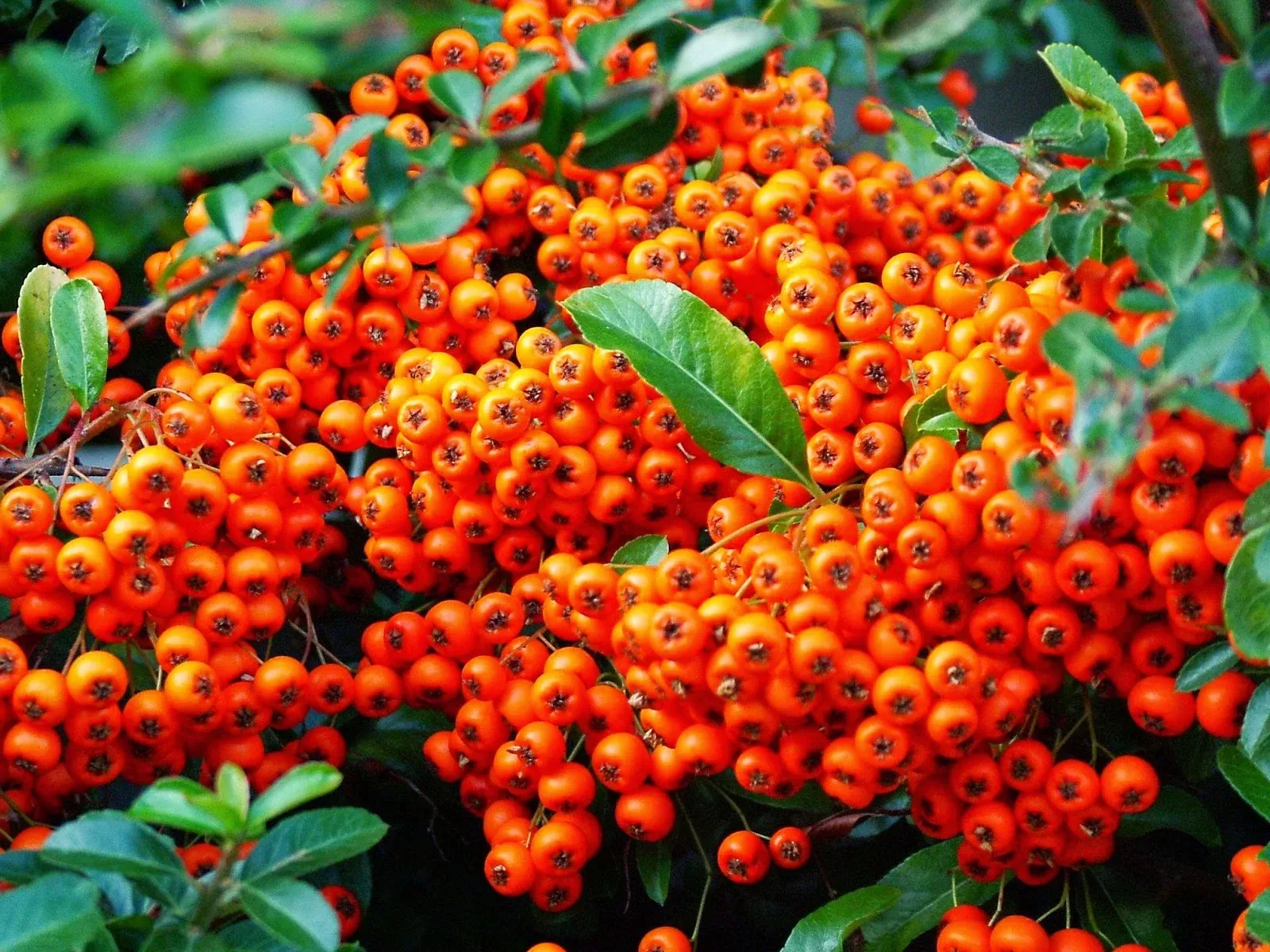
Sea buckthorn harvest timing is not simply a choice between early and late fruit. As berries ripen, their composition changes, and different attributes can move in opposite directions. The best picking window therefore depends on the intended product, the cultivar and the processor’s specification—not one calendar date for every orchard.1
Key takeaways
- Vitamin C may decline as berries ripen, while carotenoids often rise toward full maturity; lipid and dry-matter profiles also differ by cultivar.1 2
- A study of Mara, Clara, Cora and Dora found different composition peaks at different sampling stages. Its measured values are trial observations, not commercial specifications.1
- Match the harvest window to the ingredient target and buyer’s acceptance criteria, then validate it with representative fruit samples.
- Treat calendar dates and external studies as planning clues. Confirm maturity in the orchard each season.
Ripening changes several quality measures at once
In a seven-week study in the Republic of Moldova, researchers monitored Mara, Clara, Cora and Dora from August into September. Vitamin C generally decreased during ripening, whereas total carotenoids reached a peak near full maturity for most cultivars. The study reported the highest vitamin C in Mara, up to 518 mg per 100 g of fresh fruit at a sampled stage, and the highest carotenoid concentration in Dora, 40.73 mg per 100 g. Clara showed the strongest lipid accumulation, reaching 2.32%, while Cora reached up to 35.61% total dry matter and Mara up to 28.26% under the study conditions.1
These results show that maturity can shift quality in different directions. They come from one site, season and set of sampling dates; the reported maxima are research observations, not guaranteed specifications.
| Quality objective | Pattern observed in the Moldova study | What to test for a commercial decision |
|---|---|---|
| Vitamin C | Generally declined during ripening; Mara had the highest reported concentration at a sampled stage. | Vitamin C at the intended picking stage, measured on representative fruit. |
| Carotenoids and colour | Concentrations peaked near full maturity for most cultivars; Dora recorded the highest value. | Carotenoid content or a buyer-approved colour measure. |
| Oil-oriented compounds | Clara had the highest reported lipid accumulation in the study. | The relevant oil yield or compositional specification, not cultivar name alone. |
| Dry matter | Mara and Cora showed high values in the trial. | Dry matter at the target stage if it matters to concentrate or dehydration processing. |
A later date does not improve every attribute
A separate three-year study of four cultivars found that carotenoids generally increased during ripening, while the chlorophyll derivative pheophytin a decreased. The researchers used pheophytin as an indicator of maturity and found cultivar effects larger than effects of year or harvest time in their dataset.2 Record maturity as well as date. Pheophytin is a laboratory marker, not a substitute for practical field assessment unless suitable testing is arranged.
A 2025 Polish study of four different cultivars found that later harvests had higher sugar content, fruit mass and length, but lower antioxidant properties and total polyphenols. Because the cultivars and site differed, these results are context, not a prescription for an Orberry block.3
What this means for a commercial orchard
Start with the product brief. Ask the buyer which attributes determine acceptance: composition, colour, soluble solids, dry matter, oil characteristics, firmness, or delivery period. If a specific compound drives the product, establish the required test and threshold with the processor before the crop is ready.
Orberry’s portfolio descriptions place Dora early, Clara early to mid-season, and Mara and Cora mid to late. These are relative positions within the portfolio, not fixed European harvest dates. Actual timing shifts with site, weather and season. Compare profiles on the Orberry varieties and variety comparison pages, then consider how processing affects the wider commercial orchard plan.
Use a repeatable harvest-window check
As fruit approaches maturity, take representative samples from each cultivar block at regular intervals. Keep sampling consistent and record the date, visual stage and any agreed laboratory results. Use the same analytical method across samples so changes can be compared meaningfully.
Compare results with the intended specification. If a particular nutrient or oil profile matters, measure it directly rather than inferring it from colour. Where several properties matter, rank them before harvest and agree which one sets the acceptable compromise. Keep cultivar and picking-date lots separate when traceability or processing trials require it. Review results after delivery so next season’s sampling starts near the observed window—not an assumed universal date.
Connect the fruit objective with cultivar choice and harvest planning. Explore Orberry varieties or request a project-specific discussion about which profiles may fit your processing brief; trial values are not promised commercial specifications.
References
- Technological Potential and Changes in Bioactive Compounds During Ripening of Four Sea Buckthorn (Hippophae rhamnoides L.) Cultivars Grown in the Republic of Moldova
- Carotenoids in Sea Buckthorn (Hippophae rhamnoides L.) Berries during Ripening and Use of Pheophytin a as a Maturity Marker
- The Effect of the Harvest Date on the Possibility of Harvesting by Shaking, Chemical Composition, Color, and Antioxidant Properties of Common Sea Buckthorn Fruit (Hippophae rhamnoides L.)
Planning an orchard with these varieties? Adelin answers project questions directly.