
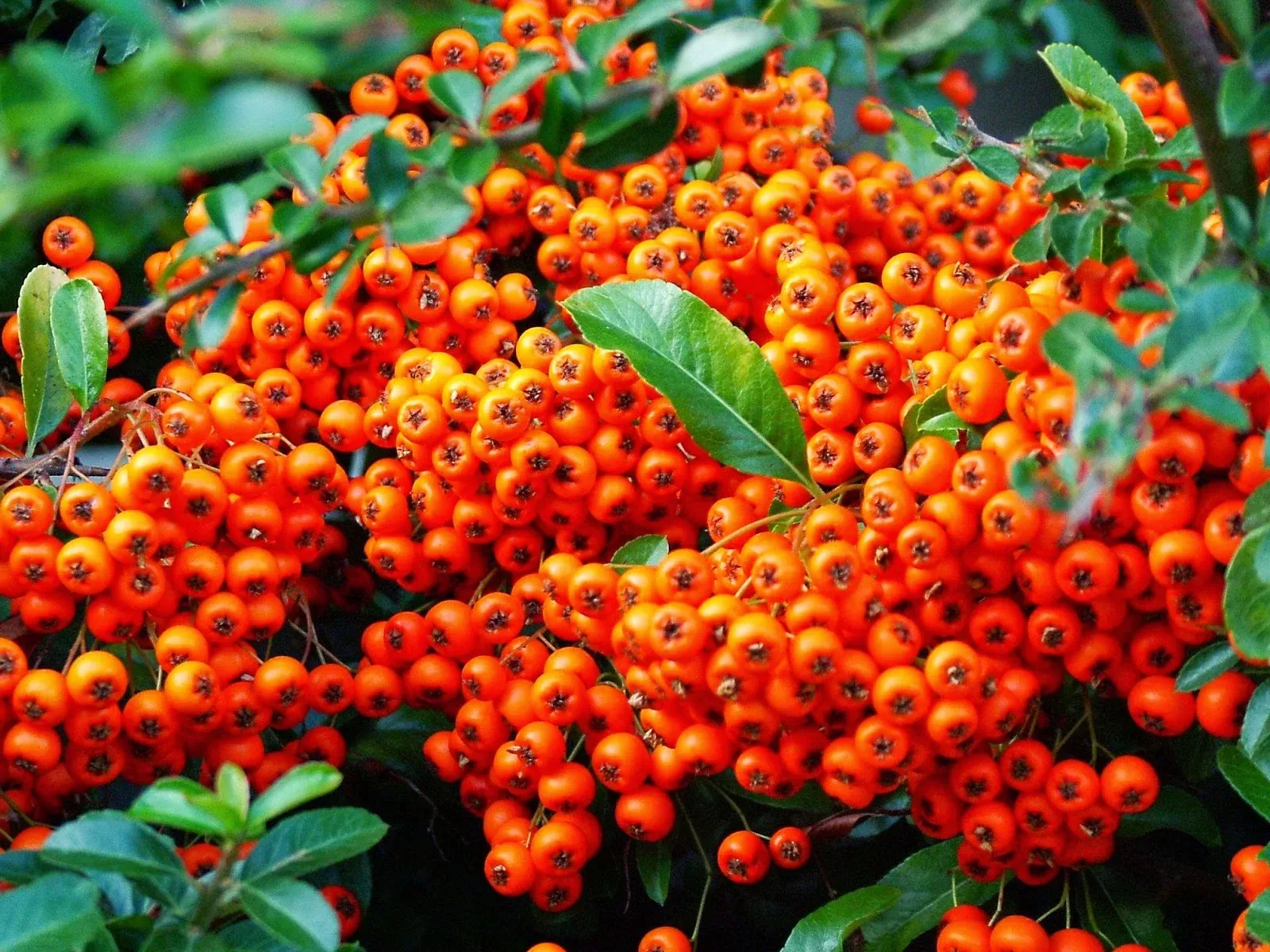
Sea buckthorn is processed through more than one product route. Fruit may become juice or puree, be frozen for processing, or yield pulp and seed oils. Reviews also document possible functional-food, supplement and cosmetic applications. These sources establish uses, not measured current demand in a particular European market. Start with buyer specifications rather than a headline forecast.
Key takeaways
- Test buyer interest separately for each product and processing route; published application lists are not procurement forecasts.
- Juice, puree, frozen fruit and oils are distinct raw-material pathways; nutraceutical and cosmetic uses may require extracted or further processed ingredients.
- Technical reviews describe applications and processing options, not guaranteed off-take, European market size or farm-gate prices.
- Ask prospective buyers for written product specifications, annual volume ranges, delivery windows and acceptance procedures before choosing a cultivar or orchard design.
Demand begins with the product pathway
Sea buckthorn fruit has a relatively short shelf life, and processing reviews describe freezing or conversion to puree soon after harvest as common preservation routes. The literature also covers beverages, dried products, powders and oil extraction. Those are possible value-chain routes, not proof that a buyer in a particular region is currently seeking supply.1 2
For a grower, “juice demand” and “oil demand” are not interchangeable. Juice processors may be interested in fruit for pressing, puree or blended beverages. Oil production uses the pulp and/or seeds, so the extraction process and the specifications for the resulting oil matter. Frozen whole berries can provide a stored raw material for processors, but freezing capacity, collection timing and cold-chain logistics become part of the commercial plan. Each route changes the questions to ask about maturity, fruit handling, lot identity, processing capacity and delivery form.
A 2020 review describes sea-buckthorn ingredients in foods and feed, while also noting that use in food formulation remained scarce at the time of publication. A separate review catalogues frozen fruit, puree, beverages, dried products, powders and oils. Together, these sources show technical versatility, not that every application has large or established demand in Europe today.1 2
Match each route to the buyer’s buying criteria
Use the following framework as a first conversation guide. It is not a universal buyer specification: the processor must confirm its own limits and sampling method.
| Potential route | What the buyer may need to define | Orchard or supply implication to test |
|---|---|---|
| Juice, puree and beverage ingredients | Fruit form, maturity window, compositional tests, delivery temperature and processing schedule | Harvest timing, lot separation, collection and rapid delivery or freezing arrangements |
| Frozen fruit | Whole-fruit condition, cleaning or grading, packaging, frozen storage and shipment format | Harvest method, freezing access, cold-chain cost and seasonal throughput |
| Pulp or seed oil | Which oil fraction is wanted, extraction route, composition and batch consistency | Cultivar profile, fruit separation, processor access and whether oil extraction is on-site or contracted |
| Functional food or nutraceutical ingredients | Ingredient form, identity, analytical specification and intended manufacturing use | Documentation, traceability, testing plan and a processor that can convert fruit into the required ingredient |
| Cosmetic ingredients | Whether the buyer wants fruit oil, another extract or a formulated ingredient; quality and documentation requirements | Confirm the intended ingredient and processor before assuming the crop itself meets the buyer’s need |
One review reports food supplements and cosmetics, including extract-based products, but does not establish current European sourcing volumes or buyer requirements.3 Do not rely on a consumer-facing wellness claim as a substitute for an ingredient specification or a procurement conversation.
What this means for a commercial orchard
Before committing to planting material, prepare a short buyer brief. Ask the processor to specify the product form it accepts, the tests used for approval, expected volumes by delivery period, minimum lot size, packaging or storage requirements, and how rejected or off-specification lots are handled. Request indicative terms in writing where possible, while recognizing that these are project discussions rather than a guaranteed future contract. If no processor can answer these questions, the market route remains a hypothesis to validate.
Then assess whether the buyer’s requirements fit an orchard you can harvest and supply. Orberry describes Mara for vitamin-C-oriented juice and puree, Clara for oil-oriented and multipurpose processing, Cora for concentrates and industrial processing, and Dora for colour-rich juice blends and carotenoid-focused processing. These are portfolio processing profiles, not fixed fruit specifications or promises of buyer acceptance; fruit composition varies with site, year and ripeness. Review the Orberry variety portfolio and compare the cultivars against the processor’s written brief.
Harvest scale, storage and delivery matter alongside genetics. Check whether local processing can receive fruit at the required rate, whether frozen or fresh delivery is feasible, and whether multiple cultivars or harvest windows can be kept separate when needed. A preliminary commercial orchard plan should connect plantable area to the harvest system and processor capacity, rather than starting from a forecast market figure.
Europe’s public evidence base needs careful interpretation. An EU-funded European–Asian project ran from 2005 to 2007 and set objectives to improve harvesting, processing, quality and access to sea-buckthorn products for the European market.4 These were historical project aims, not a survey establishing current European demand or a measured outcome. The sources cited here do not support a reliable Europe-wide market-size, price, growth-rate or buyer-contract claim. A region-specific processor interview and sample testing are more decision-useful than importing a global market estimate into a farm plan.
For a next step, shortlist the product route and buyer requirements first, then discuss cultivar fit and orchard scale. If the processing destination is not yet settled, use the project enquiry form to discuss a project-specific cultivar and planting plan.
References
- Potential of sea buckthorn-based ingredients for the food and feed industry – a review
- Sea Buckthorn Pretreatment, Drying, and Processing of High-Quality Products: Current Status and Trends
- Sea Buckthorn in Plant Based Diets. An Analytical Approach of Sea Buckthorn Fruits Composition: Nutritional Value, Applications, and Health Benefits
- Final Report Summary - EAN-SEABUCK (Establishment of European-Asian Network for the development of strategies to enhance the sustainable use of Sea Buckthorn)
Planning an orchard with these varieties? Adelin answers project questions directly.