
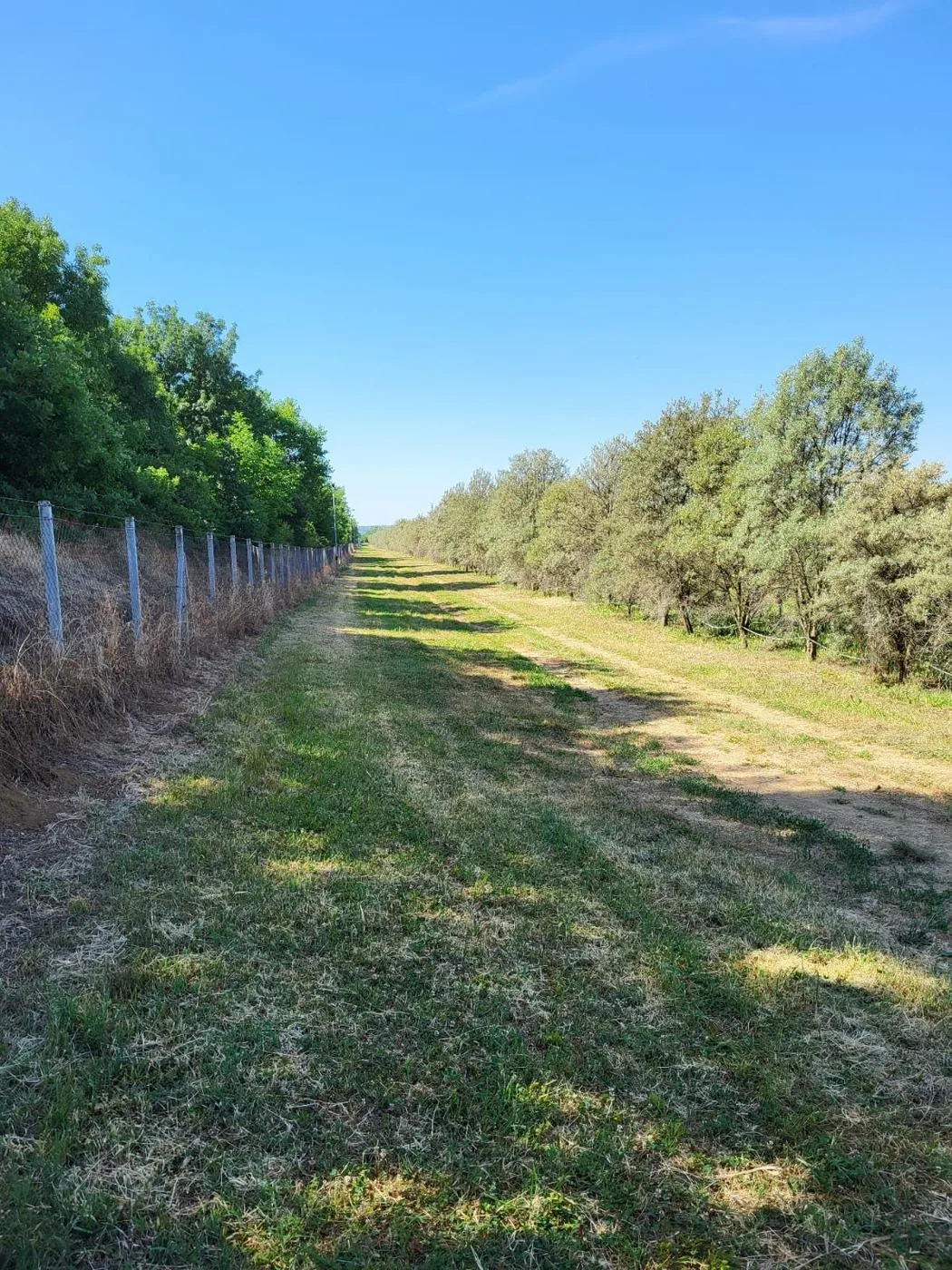
There is no single best planting month for every sea buckthorn orchard in Europe. The practical window depends on whether plants are bare root or container-grown, whether they are dormant, and whether the soil is workable and aerated. Autumn and early spring can both be suitable, but a calendar date cannot compensate for frozen, saturated or excessively dry ground.
Key takeaways
- For bare-root plants, plan around dormancy and plant promptly when the ground is workable; spring planting should be completed before active growth begins.1 2
- Container-grown plants offer more scheduling flexibility, but planting outside the cooler part of the year can increase watering and establishment demands.1
- Delay planting into frozen or waterlogged soil. In dry climates, plan water for establishment rather than assuming a dormant-season date is enough.1 3
- Use local conditions and the actual delivery format to set the window; Europe does not have one universal planting date.
Start with the plant and the soil, not the month
A useful baseline for woody plants is the dormant season, when roots can be placed before the next flush of shoot growth. The Royal Horticultural Society gives October to April as a broad tree-and-shrub planting period in its UK guidance, while warning against frozen or waterlogged soil. It says container-grown plants can be planted throughout the year, although autumn or winter can reduce watering needs; bare-root stock is available while dormant and should be planted promptly.1 This is a helpful principle, not a Europe-wide sea-buckthorn calendar.
Regional extension advice shows why timing must be localized. Iowa State University recommends planting bare-root trees in spring before growth begins, reflecting its regional shipping and climate context.2 A University of Nevada, Reno sea-buckthorn trial reports that bare-root plants there must be planted in early spring and describes substantial losses under the region’s harsh conditions.3 These sources do not establish one rule for all of Europe: one is general tree guidance and the other a specific Nevada trial. Together, they support a decision based on dormancy, ground condition and local climate rather than a fixed date.
| Situation | Practical timing logic | Check before planting |
|---|---|---|
| Bare-root, cold-winter or continental site | Aim for a workable dormant-season window; early spring before bud growth is a practical option where autumn conditions are unreliable. | Soil has thawed and is not saturated; roots can be protected from drying while awaiting planting. |
| Bare-root, mild or maritime site | Autumn or late winter/early spring may both be feasible while the plant is dormant. | Avoid prolonged waterlogging; confirm nursery delivery and field access. |
| Potted/container-grown stock | More flexible than bare root, with cooler autumn-to-spring conditions often easier to manage. | Water the root ball at planting and plan follow-up irrigation, particularly during dry, windy or warm weather. |
| Dry-summer or Mediterranean-type site | Consider the cooler, wetter season when soil is workable; spring can be used if establishment water is available. | Avoid planting into hot, dry conditions without a reliable irrigation and aftercare plan. |
Treat these regional rows as planning prompts, not climate-zone prescriptions. Elevation, exposure, drainage and seasonal weather can move the suitable window.
Bare root and potted plants have different constraints
Bare-root sea buckthorn is handled as dormant planting material, so readiness is a coordination task: prepare the parcel, confirm delivery timing and plant promptly after receipt. If conditions are frozen or wet, do not force planting to meet a target week. Agree storage and delay procedures with the nursery before dispatch, because roots must not dry out. For related handling considerations, see Bare Root vs Potted Sea Buckthorn Plants.
Potted plants retain a root ball and offer more timing flexibility, but are not immune from stress. Warm weather, dry winds or a root ball that dries after planting can compromise establishment. Make irrigation access and the ability to water each newly planted row part of the decision. Orberry’s commercial material is specified separately by variety, plant age, format and size, and availability varies by batch and season; review Professional Planting Material rather than assuming every format is available on a particular date.
A region-by-region decision framework
In colder continental areas, autumn may leave a short window before freezing, while spring can be safer once soil thaws and before growth advances. In maritime areas, autumn or late-winter planting may be feasible, but wet soil can close the window. In southern and drier areas, winter mildness does not guarantee easy spring establishment: rainfall, soil moisture and irrigation access matter. These are planning inferences, not dates established for Europe by the cited UK guidance or Nevada trial.
Before confirming a date, check: (1) material format and dormancy; (2) soil trafficability and drainage; (3) forecast conditions during delivery and planting; (4) labour and machinery access; and (5) establishment-water availability. For a site review, see Is Your Land Suitable for Sea Buckthorn?.
What this means for a commercial orchard
A hectare-scale or larger planting needs a window that works for the whole operation, not just an individual plant. Complete layout, weed control and soil preparation in advance; schedule crews and delivery so plants go into prepared, workable ground without unnecessary waiting. Where autumn is tight or wet, stage the project or reserve a spring slot rather than compressing planting into unsuitable soil. For spring planting in a dry region, include irrigation capacity and early monitoring.
Do not choose bare-root or potted material on season alone. Compare delivery constraints, field readiness, water planning and specified plant format, then confirm batch-specific availability with the nursery. To coordinate material with your intended planting window, check availability for your planting season. Agree the schedule for the actual location, material and delivery rather than copying a generic European month list.
References
Planning an orchard with these varieties? Adelin answers project questions directly.